

I just wanted to write a book. One line that smells like cotton candy, another that sounds like bad diner coffee. “The midway rolled in at night…” — that’s it. After that, reality was supposed to behave. Instead, it cracked the door, just a sliver, and the story walked in like it owned the place.
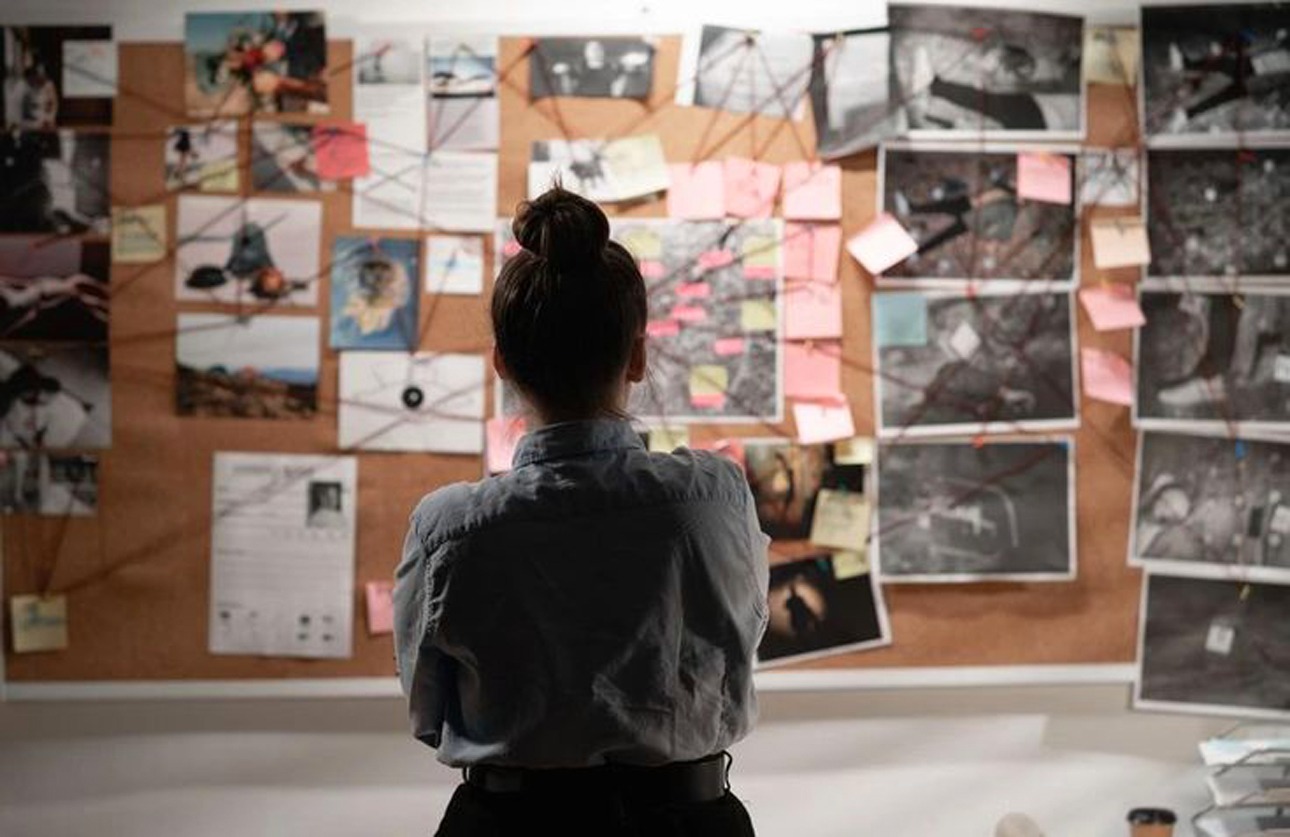
At first there was Mr. Grin — a margin note, a syllable on my monitor. I figured I made him to spook other people. He grinned back like he knew writers are the easiest marks. Then Lilalu followed, barefoot, balancing along a line of torn paper. I let her dance to keep me warm. She danced — and started threading strings all through my apartment. On the screen a cursor blinked, nothing more, but I swear it was breathing.
Then came the counteroffers: a ticket on the doormat. A note — “See you tonight. — H.” A phone call that wanted nothing — or exactly everything. That’s when you learn what happens to a writer when the characters go off-leash: they don’t negotiate. They set the times. They write the hours on your skin. And they insist you show up — Admit one — even when the city’s playing it cool, pretending it’s just concrete.
For the longest time I believed characters stayed polite as long as you kept feeding them pages. But if you hear them too clearly, they start writing you. They flip the angle the second you blink: suddenly you’re the door, not the knocker. The hinge, not the hand. Your “no” counts twice — or not at all — as plot and as theme. That night I got it: not going can be a scene. And a hand backing off a doorknob can speak louder than any finale.
So what happens when you push that phenomenon to the edge? You flip the arrangement. You let the characters hunt the author — always just outside the corner of your eye. No monsters in the sink, just coffee rings that suddenly look like moons. No fireworks, just choices that crack like old hinges. You write a book that acts like a carnival: bright, sweet, almost polite — and by the end you’re missing some small piece you didn’t know was holding you together.
I didn’t plan the midway. I gave it access. Claire — my sense of rhythm with a coffee cup — asked for a scene that stands even while everything tilts. I wrote a door. The characters brought the wind. The Watcher — my guilty conscience with a notebook — pinched my sentences whenever I tried to play it safe. And every time I thought the city was just backdrop, I heard it breathing, you know?
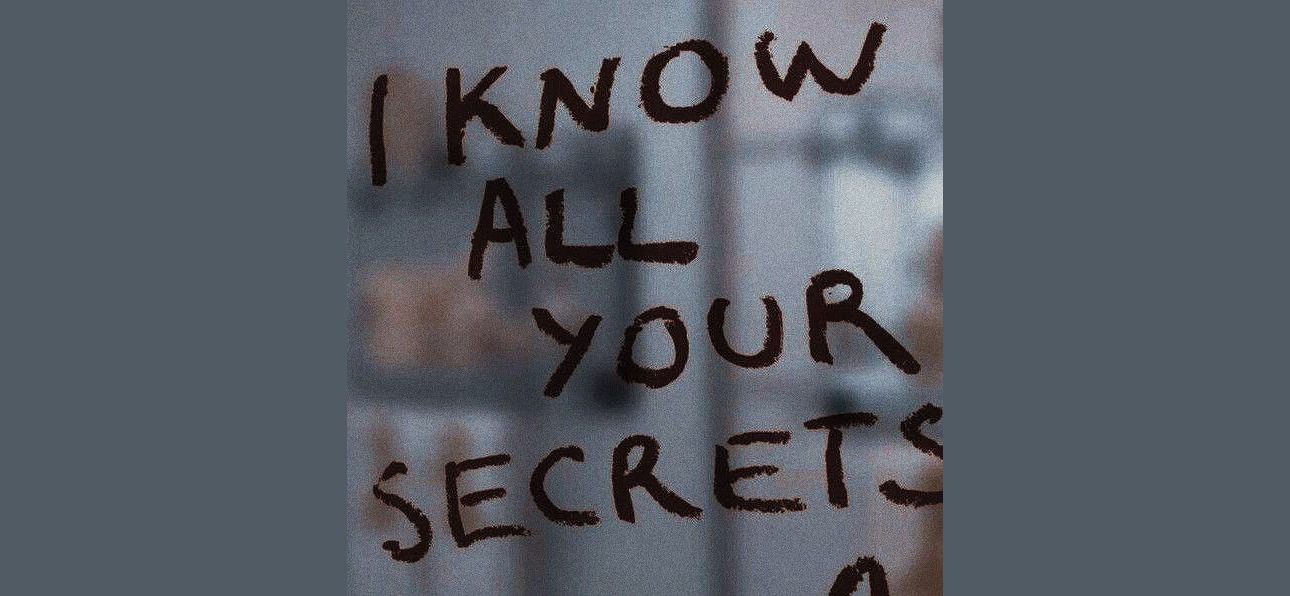
When readers ask what it’s about, I say: it’s the question, who’s inventing who here. It’s the art of placing a “not today” so it sizzles like fireworks nobody lit. It’s the feeling of being watched — and realizing not every pair of eyes is an enemy; some you borrow to keep writing. Everything else? It’s behind the next door. I promise nothing — except a good hinge.
Elias Crowl